

square glass mirror
Understanding the 3% to 4% Check Valve An Overview Check valves play a critical role in various piping systems, ensuring one-way flow and preventing backflow that could compromise system integrity and efficiency. Among the myriad types of check valves available, the 3% to 4% check valve stands out due to its specific operational characteristics and applications. In this article, we will explore what a 3% to 4% check valve is, its uses, benefits, and factors to consider when selecting one for your system. What is a Check Valve? A check valve, also known as a non-return valve or one-way valve, is designed to allow fluid to flow through it in only one direction. The basic function of a check valve is to prevent backflow that could lead to contamination, damage, or inefficiencies within a system. They are commonly used in various industries, including water and wastewater management, oil and gas, and HVAC systems. The 3% to 4% Check Valve Specification The term “3% to 4% check valve” typically refers to a specific range of pressure drop, backpressure, or operational efficiency that these valves can maintain. A pressure drop of 3% to 4% indicates the resistance the valve imposes on the fluid when operational. In practical terms, this means that the check valve is designed to allow a specific volume of fluid to flow while maintaining minimal resistance, thus enhancing overall system efficiency. Applications 1. Water and Wastewater Treatment In systems where backflow can lead to contamination, the 3% to 4% check valve ensures that wastewater and treated water flow in the correct direction. This is crucial for maintaining water quality standards. 2. Oil and Gas In the oil and gas industry, these check valves protect pipelines and equipment from backpressure resulting from pressure changes. Preventing backflow is essential for both safety and efficiency. 3. HVAC Systems In heating, ventilation, and air conditioning systems, these valves are used to ensure that the flow of liquid refrigerants moves efficiently in the intended direction, preventing reverse flow that could lead to system damage. 3 4 check valve 4. Pump Systems Check valves in pump applications prevent the liquid from flowing back into the pump when it is turned off, ensuring that the system maintains pressure and reduces the wear on the pump itself. Benefits - Prevention of Backflow The primary function of the check valve is to prevent backflow, which can cause a variety of issues, including system contamination and equipment damage. - Efficiency With a pressure drop of only 3% to 4%, these valves allow for efficient fluid flow, minimizing energy loss and improving overall system performance. - Versatility The 3% to 4% check valve can be used in various applications across multiple industries, making it a versatile option for engineers. - Durability Made from sturdy materials, these valves can withstand significant pressure and are often designed for longevity, making them a reliable choice for demanding applications. Considerations for Selection When selecting a 3% to 4% check valve for your system, it is crucial to consider factors such as the type of fluid being transported, the pressure and temperature conditions, and the installation environment. Additionally, ensure compatibility with system requirements, including size, material, and the specific flow rate needed. Conclusion In summary, the 3% to 4% check valve is an essential component in various fluid handling systems, offering the benefits of backflow prevention and efficient flow management. With applications spanning multiple industries, understanding the operational characteristics of these check valves is key to ensuring smooth and safe operations. Whether in water treatment, oil and gas, HVAC, or pump systems, the 3% to 4% check valve remains a reliable choice for engineers and facility managers alike.
about
square glass mirror
Replacing the Outside Water Valve A Step-by-Step Guide The outside water valve, often unnoticed until a problem arises, plays a crucial role in the overall plumbing system of your home. Whether you need to replace it due to wear and tear, leaks, or damage, understanding the process can save you time and money. Here, we provide a comprehensive guide to help you successfully navigate the task of replacing your outside water valve. Understanding the Outside Water Valve Before diving into the replacement process, it’s important to recognize the function of the outside water valve, commonly referred to as the hose bib or spigot. This valve controls the water supply to your outdoor faucets, which are used for watering gardens, washing cars, and cleaning outdoor spaces. Over time, exposure to the elements can cause these valves to deteriorate, leading to leaks, reduced water pressure, or complete failure. Tools and Materials Needed To replace your outside water valve, gather the following tools and materials - New outside water valve (ensure it matches the sizing of the old one) - Pipe wrench or adjustable wrench - Plumber’s tape - Screwdriver - Bucket (to catch any water) - Towels or rags Step-by-Step Replacement Process 1. Turn Off the Water Supply Before you begin, locate the main water shut-off valve inside your home and turn it off. This will prevent water from flowing while you work on the outside valve. 2. Drain Remaining Water Open the outdoor faucet to allow any remaining water in the pipes to drain out. This step is crucial to avoid a messy situation when disconnecting the old valve. 3. Remove the Old Valve Using a pipe wrench, grip the old outside water valve and turn it counterclockwise to loosen it. You might need to apply some force if the valve is corroded or stuck. Once loose, carefully remove it from the pipe. Be prepared for some residual water to spill out. outside water valve replacement 4. Prepare the New Valve Before installing the new valve, wrap plumber’s tape around the threads of the pipe to ensure a watertight seal. This tape helps prevent leaks after installation. 5. Install the New Valve Align the new outside water valve with the threaded pipe and turn it clockwise to tighten. Use the pipe wrench to secure it in place, but be cautious not to over-tighten as this could damage the threads. 6. Check for Leaks Once the new valve is installed, turn the main water supply back on. Open the new valve slowly and check for any leaks around the connection. If you notice any leaking, turn the water off and re-tighten the valve. 7. Test Functionality After confirming there are no leaks, test the valve by turning it on and off several times. Ensure that water flows freely and without interruptions. Maintenance Tips To prolong the life of your new outside water valve, consider the following maintenance tips - Winterize If you live in an area with freezing temperatures, make sure to winterize your outdoor faucet before the cold season arrives. This often involves shutting off the valve and draining any remaining water. - Inspect Regularly Periodically check for any signs of wear or leaks. Early detection can prevent larger plumbing issues down the line. - Keep it Clean Periodically clean the area around the valve to prevent debris from entering the system. Conclusion Replacing an outside water valve may seem daunting, but with the right tools and this step-by-step guide, it can be a manageable DIY project. Regular maintenance and prompt replacements can enhance the lifespan of your plumbing system and ensure your outdoor water needs are met effectively. If you encounter any complications or feel uncertain about the process, don’t hesitate to consult with a professional plumber for assistance.
-

High quality industrial productsagement

High quality industrial products
View Details -

Meet the diverse needs of customers

Meet the diverse needs of customers
View Details -

Strict quality control

Strict quality control
View Details -

Top raw materials

Top raw materials
View Details -

Trusted supplier

Trusted supplier
View Details
Our application

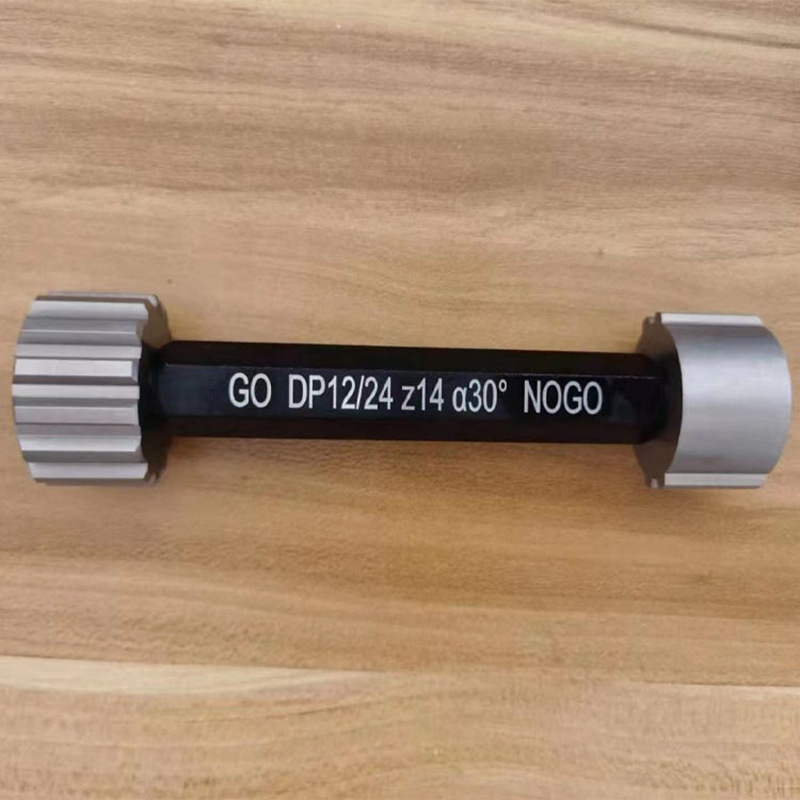

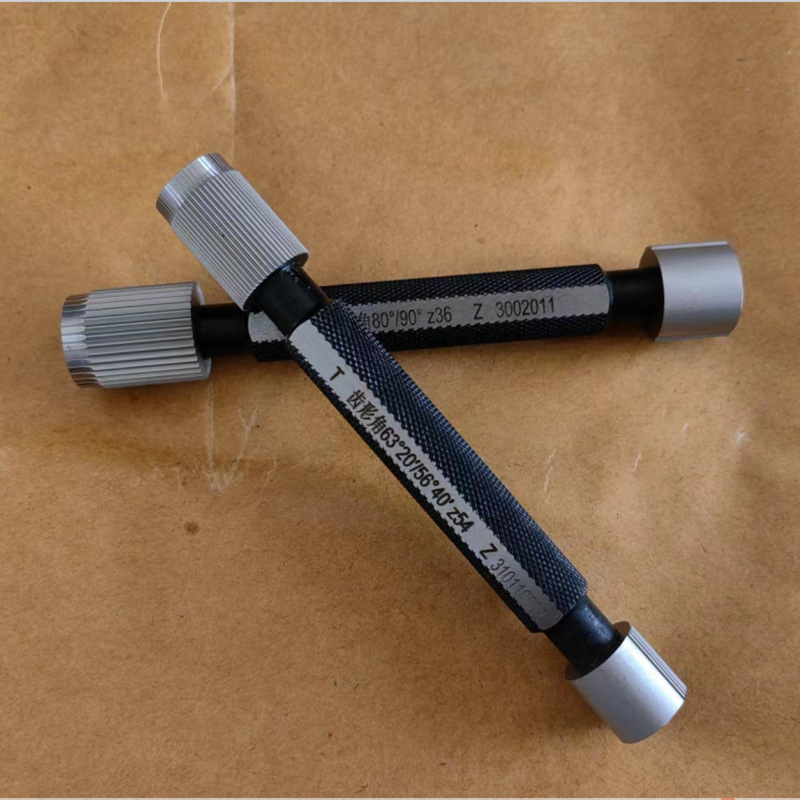
news and information
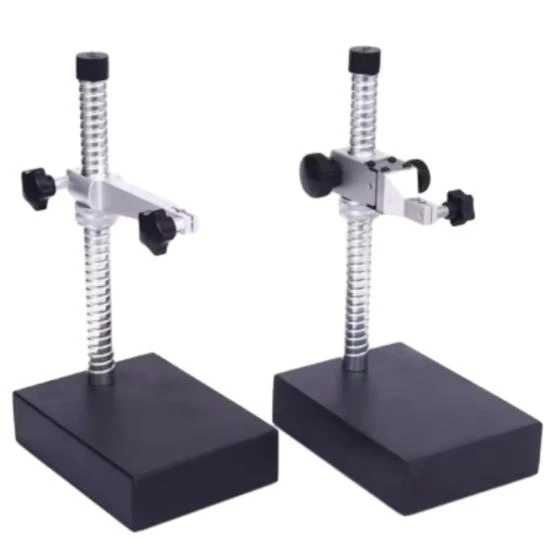
Versatile Six-Sided Aluminum Alloy Angle Measurement Tool for Precision Applications
The Versatility of Six-Sided Aluminum Alloy Angle Measuring Tools In the world of precision measurem
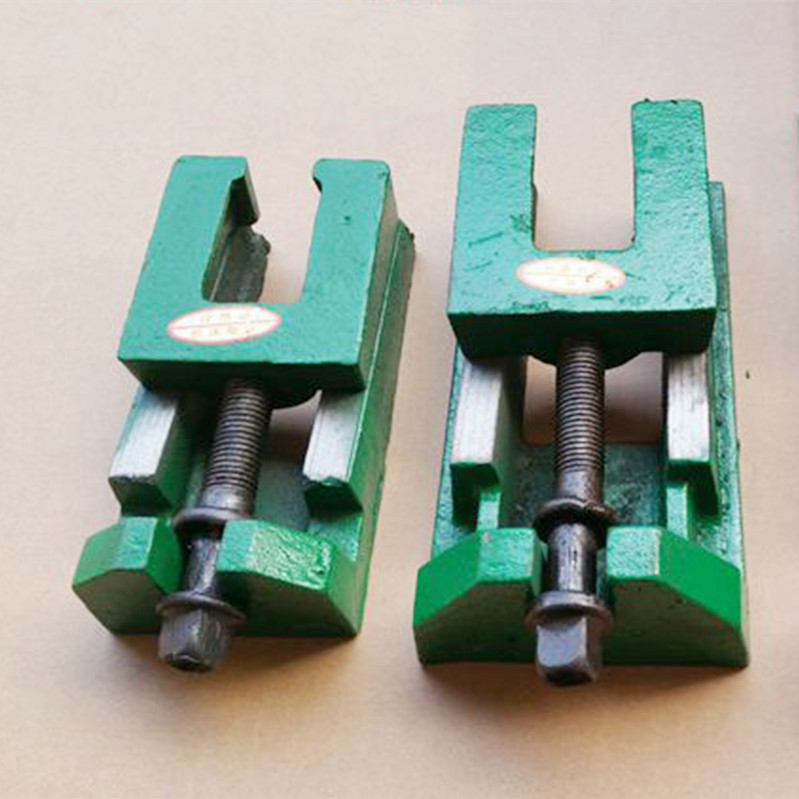
Water Flow Control Device for Efficient Shut-Off and Regulation
Understanding Water Shut-off Valves A Comprehensive Guide Water shut-off valves are essential compon

water valve pressure
Effectively managing water systems at home or in industrial settings hinges on understanding the nua
 English